Antipollution for World Maritime Day of IMO

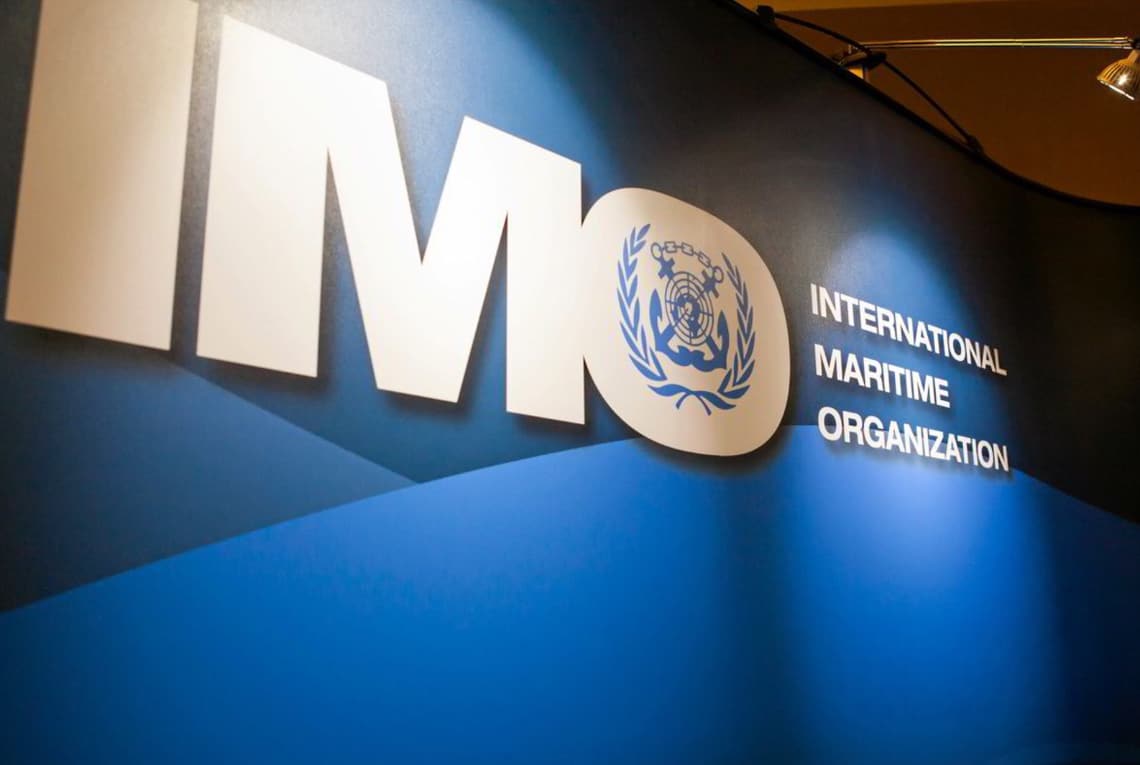
World Maritime Day, celebrated on the last Thursday of September each year, offers an opportunity to reflect on the importance of the maritime industry and the critical role it plays in global trade and transportation. It is also a time to acknowledge the challenges that this industry poses to the environment, particularly in terms of pollution. The International Maritime Organization (IMO), the United Nations specialized agency responsible for regulating shipping, has been tirelessly working to address these concerns and promote antipollution measures on a global scale.

The Impact of Maritime Pollution

The maritime industry is an integral part of the global economy, responsible for carrying over 80% of the world’s goods. However, this level of activity also comes with environmental consequences. Maritime transportation is a significant source of pollution, contributing to air and water pollution, oil spills, and greenhouse gas emissions. As the demand for maritime trade continues to grow, addressing these environmental challenges is of paramount importance.

IMO’s Mandate

The International Maritime Organization, established in 1948, has made substantial progress in curbing pollution from shipping activities. Its mission is to promote safe, secure, efficient, and environmentally sustainable shipping. On World Maritime Day, we celebrate the IMO’s efforts to reduce pollution and protect our oceans, highlighting the organization’s commitment to sustainability.

Key Antipollution Initiatives

International Maritime Pollution Prevention: The IMO has introduced several conventions and regulations aimed at preventing pollution from ships. The International Convention for the Prevention of Pollution from Ships (MARPOL) is one of the most significant achievements, setting standards for the control of various forms of pollution, including oil, sewage, and garbage.

Sulfur Emission Reduction: The IMO implemented a global sulfur limit in 2020, reducing the permissible sulfur content in marine fuels from 3.5% to 0.5%. This initiative significantly reduces harmful emissions, improving air quality near ports and along shipping routes.

Ballast Water Management: The spread of invasive species through ballast water has been a major ecological concern. The IMO’s Ballast Water Management Convention ensures that ships manage their ballast water to minimize the transfer of harmful species.

Energy Efficiency and Carbon Reduction: The IMO’s Energy Efficiency Existing Ship Index (EEXI) and the Carbon Intensity Indicator (CII) are measures designed to improve the energy efficiency of ships and set the stage for a reduction in greenhouse gas emissions.
Oil Spill Response: The IMO has established the International Convention on Oil Pollution Preparedness, Response, and Cooperation (OPRC). This convention ensures that countries are prepared to respond to oil spills effectively and collaboratively.

Enhancing Sustainable Practices: The IMO encourages the adoption of sustainable practices in shipping, such as slow steaming, which reduces fuel consumption and emissions, and the use of alternative fuels, including liquefied natural gas (LNG) and hydrogen.

Share your love

COOKIES POLICY

Effective Date: 14 July 2025

What Are Cookies

Cookies are small text files placed on your computer or mobile device when you visit a website. They are used to make websites work more efficiently, as well as to provide information to the site owners.

How We Use Cookies

We use cookies to:

  • Ensure the website operates securely and as intended.
  • Remember your preferences and settings.
  • Analyze how you interact with the website to improve performance.
  • Support functionality such as language selection and embedded media.

Types of Cookies We Use

Type    Purpose
Strictly Necessary CookiesEnable core functionality such as security, network management, and accessibility.
Performance & Analytics Cookies    Collect data on how visitors use our website. All data is anonymized.
Functionality Cookies Remember your preferences (e.g. language) to enhance your experience.

Managing Cookies
You can manage or disable cookies at any time through your browser settings. Please note that disabling some cookies may affect the functionality of our website.

For more information, please visit: www.aboutcookies.org

PRIVACY POLICY

Effective Date: 14 July 2025

Antipollution respects your privacy and is committed to protecting your personal data in accordance with the General Data Protection Regulation (EU) 2016/679 (GDPR).

Who We Are

Antipollution
Piraeus Tower, Floor 22
2 Akti Posidonos Street
185 31 Piraeus, Greece
Email: [email protected]

What Personal Data We Collect

  • Contact details (e.g. name, email, phone)
  • IP address and browser data
  • Website usage data via cookies
  • Any data you provide through our contact forms

How We Use Your Data

  • To respond to your inquiries
  • To provide and improve our services
  • To comply with legal obligations
  • To analyze website usage for performance improvement

Legal Bases for Processing

  • Your consent
  • Contractual necessity
  • Compliance with legal obligations
  • Legitimate interests

Data Sharing

We do not sell or rent your personal data. Your data may be shared with trusted service providers or legal authorities when required.

Your Rights

Under the GDPR, you have the right to:

  • Access your data
  • Rectify inaccurate data
  • Erase your data (“right to be forgotten”)
  • Restrict or object to processing
  • Data portability
  • Lodge a complaint with the Hellenic Data Protection Authority

How to Exercise Your Rights

Email us at [email protected] with your request. We will respond within one month.

TERMS & CONDITIONS

Effective Date: 14 July 2025

Introduction
Welcome to antipollution.com (the “Website”), owned and operated by Antipollution By accessing or using this Website, you agree to be bound by the following Terms and Conditions.

Intellectual Property

All content on this Website, including text, images, logos, and graphics, is the property of Antipollution unless otherwise stated and is protected by applicable intellectual property laws.

Use of Website

You may use this Website only for lawful purposes. You may not:

  • Engage in unauthorized data scraping or reverse engineering
  • Transmit harmful or disruptive content
  • Use the site in a way that violates any applicable local, national, or international law

Disclaimer

All content is provided “as is” and for informational purposes only. Antipollution does not guarantee the accuracy, completeness, or timeliness of the information provided.

Limitation of Liability

Antipollution shall not be liable for any direct or indirect damages resulting from the use or inability to use this Website.

Governing Law

These Terms shall be governed by the laws of Greece. Disputes arising shall be subject to the exclusive jurisdiction of the courts of Piraeus, Greece.